Normal Wear and Tear vs Damage: A Landlord's Line-by-Line Guide
You can deduct from a deposit for damage, not for normal wear. Here is the line between the two, surface by surface, and how to document which one you are looking at.
Posted by
 William H. Mason
Related reading
How to Handle a Security Deposit Dispute
When a tenant disputes your deposit deductions, the outcome comes down to your records and your deadline. Here is how to handle a dispute, step by step, and how to win one.
How to Write a Property Condition Report (With a Free Template)
A clear, dispute-ready property condition report protects your deposit decisions. Here is what to record at move-in and move-out, room by room, and how to keep it.
Itemizing Security Deposit Deductions So They Hold Up
A deposit deduction is only as strong as the itemized statement behind it. Here is how to build each line so it survives a dispute: the damage, the dated proof, the real cost, and the deadline.
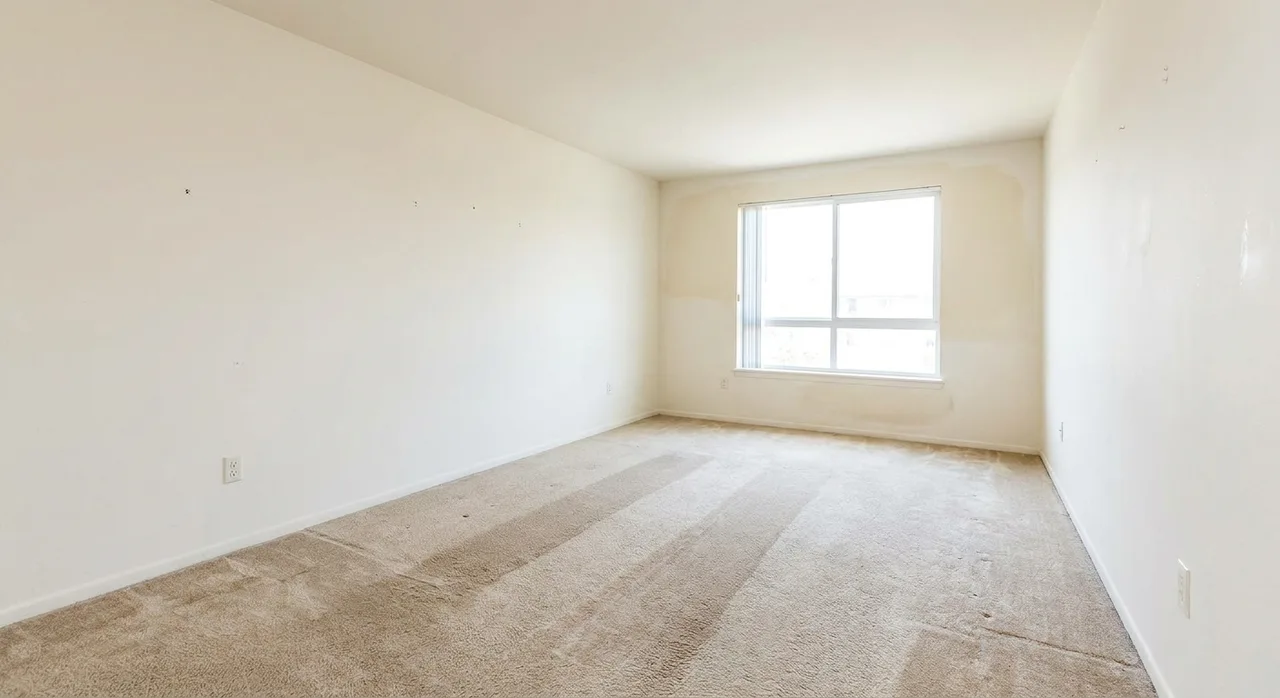
Almost every deposit dispute comes down to a single question. Is what you are looking at normal wear and tear, or is it damage? The answer decides whether you can charge the tenant for it, and getting it wrong is how landlords lose in small claims court.
The rule itself is simple. You cannot deduct for ordinary wear that comes from someone living in the unit, but you can deduct for damage that goes beyond it. The hard part is the line between the two, because it is rarely obvious in the moment.
This is a line-by-line guide to where that line falls, surface by surface, and how to document which side of it you are on.
The Line: What Separates Wear From Damage
Normal wear and tear is the gradual decline that happens no matter how careful a tenant is. Carpet flattens in the walkways, paint dulls, finishes fade, and small marks accumulate. None of it is anyone's fault, and you are expected to absorb it as a cost of owning a rental.
Damage is different in kind, not just degree. It is the result of negligence, abuse, or an accident: a hole in a wall, a burn in a counter, a pet-stained carpet, a cracked tile. The legal framing that most states use is exactly that distinction, and it is summarized well in Nolo's guide to the cleaning and repairs a landlord can charge for.
Two questions sort most cases. Did this happen from ordinary use, or from misuse? And is this what a unit looks like after a normal tenancy, or worse than that? If it is misuse, or clearly worse than normal, it is usually damage you can charge for.
Walls and Paint
Walls are where most disputes start, because a wall collects both kinds of marks at once. The job is separating the scuffs of daily life from the holes someone put there.
- Normal wear: light scuffs, faded paint, small nail or pushpin holes from hanging pictures, minor scratches near switches and door handles.
- Damage: large or numerous anchor holes, gouges, crayon or marker, unapproved paint colors, and holes punched or kicked through the drywall.
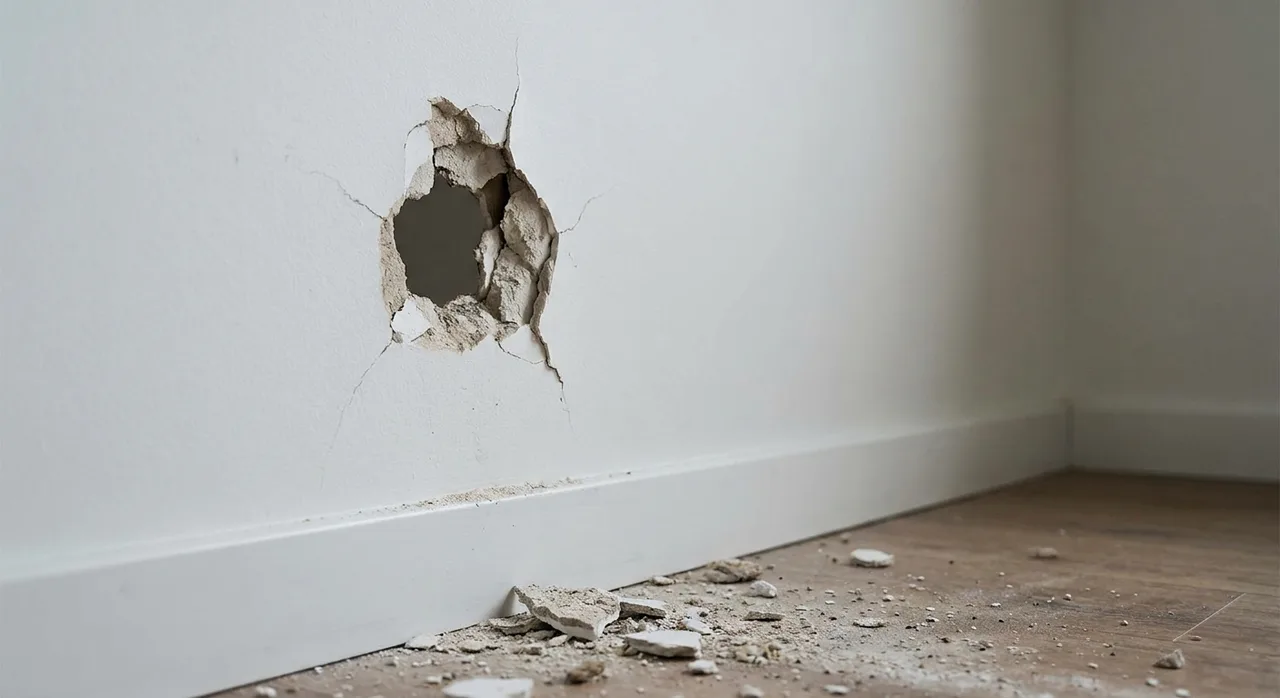
The wall above settles the question on sight. A handful of pushpin holes is wear you patch and forget, but a hole punched clean through the drywall is damage that took force and carelessness to create. The size, the cause, and the cost of the repair all point the same way.
Floors and Carpet
Carpet has a built-in lifespan, and most of what you find at move-out is just that lifespan running its course. The fibers flatten where people walk, and the color dulls in the sun.
- Normal wear: flattened traffic paths, light matting, minor fading, and the general thinning a carpet shows after a few years of use.
- Damage: pet urine stains and odor, burns, large rips or tears, paint or nail-polish spills, and gouges or deep scratches in hardwood or vinyl.
Flooring is also where depreciation matters most. Carpet wears out on a schedule, so even real damage to an old carpet is only worth its remaining useful life, never a brand-new replacement. The recordkeeping behind useful-life and improvement costs is the kind covered in IRS Publication 527, and a deduction that ignores age tends to fall apart.
Kitchen, Bath, and Appliances
Wet rooms and the appliances in them take heavy daily use, so the bar for what counts as wear is higher here. A worn-looking kitchen is often just a used kitchen.
- Normal wear: faded or lightly worn countertops, loose cabinet hinges, worn appliance finishes, and grout that has dulled with age.
- Damage: burns or deep cuts in a counter, chipped or cracked tile and porcelain, a cabinet door torn off, a broken appliance from misuse, and mold from a leak the tenant hid rather than reported.
Cleaning sits in its own gray area. You can charge to bring a unit back to its move-in level of cleanliness, but not to make it cleaner than the tenant received it, a limit explained in the Cornell Legal Information Institute overview of landlord-tenant law. A reasonable cleaning charge holds up, while a charge to deep-clean an already-clean unit does not.
Doors, Windows, and Fixtures
The smaller hardware around a unit follows the same logic. Things loosen and dull from use, and that is wear, while things break from force or neglect, and that is damage.
- Normal wear: a sticky door, a loose handle, blinds faded by the sun, and a worn or slightly leaky faucet washer.
- Damage: a door off its hinges or with a hole in it, broken windows, missing or snapped blinds, and fixtures cracked or torn from the wall.
The same age factor applies. A faucet that finally wears out near the end of its life is maintenance you owe, not a deduction you get. State self-help guides spell out what landlords can and cannot keep, such as the California courts guide to security deposits and the Texas State Law Library's security deposit guide.
How to Prove Which One It Is
Knowing the line is only half of it. In a dispute, you have to prove which side a given mark falls on, and the burden of proof is on you as the landlord. That proof is a comparison, not an opinion.
It comes from the before-and-after pair: a dated move-in record of how the unit looked, mirrored by a move-out record of how it looks now. The gouge you want to charge for only counts if you can show the wall was intact when the tenant moved in, which is the whole point of documenting the difference between move-in and move-out.
Federal tenant-rights resources from HUD make the same point from the tenant's side: a landlord who keeps part of a deposit has to back up each charge. A photo, a note, and a date for each item is what turns your judgment call into evidence.
When You Do Charge, Itemize It
Once you have decided something is damage, the deduction still has to be written up properly or it will not survive a challenge. Each line needs the item, the dated proof, the real cost, and the amount, delivered within your state's deadline.
That is its own discipline, and it is the difference between a charge that sticks and one a tenant successfully disputes. The mechanics of writing each line so it holds up are covered in our guide to itemizing security deposit deductions, which picks up exactly where this wear-versus-damage call leaves off.
It also helps to settle the easy questions before move-out, during the walkthrough itself. Our guide to what a move-out inspection should cover walks the unit room by room so nothing in the wear-versus-damage column gets missed.
Make the Call the Same Way Every Time
The wear-versus-damage line gets blurry when you decide it from memory, weeks after the fact, with no record to anchor it. It gets clear when every finding is captured the same way, the moment you see it, against a baseline you can pull up.
A property inspection app keeps that call consistent, because it pairs each finding with a dated photo as you walk the unit and lines it up against the move-in baseline. When the walkthrough is done you can turn your move-out photos into a condition report that separates wear from damage line by line, so you keep dispute-ready move-out records instead of arguing from memory.
If you want the same structure for the bookend walkthroughs, our free move-in and move-out checklist gives you a room-by-room record you can reuse at both ends of the tenancy.
It is worth saying plainly what this report is and is not. It is structured condition documentation you create from your own photos, reviewed and edited by you before it is final. It is not a licensed or professional home inspection or appraisal, and it is not legal advice or a substitute for either.
Learn the line, document both ends of the tenancy the same way, and charge only for what crosses it. That is how a deposit decision stays fair to the tenant and defensible for you at the same time.
Turn your next walkthrough into a clean report
Snap photos at move-in, move-out, or a routine inspection and get a branded condition report you can hand a tenant or keep on file.
✓ Review every finding before you finalize ✓ Web report and PDF ✓ Cancel anytime
Frequently Asked Questions
Normal wear and tear is the gradual decline that comes from ordinary living, like flattened carpet, faded paint, and small nail holes. Damage goes beyond that and results from negligence, misuse, or an accident, like a hole in a wall, a burned counter, or a pet-stained carpet. You can deduct from a deposit for damage but not for normal wear.
Usually not for normal fading or worn traffic paths, which are ordinary wear. You can charge when there is real damage beyond wear, but the amount is limited by the item's age and remaining useful life, never the full cost of a brand-new replacement. A deduction that ignores depreciation tends to fail in a dispute.
With a dated before-and-after comparison. A move-in record showing the unit's original condition, mirrored by a move-out record of the same spots, is what proves a mark was not there when the tenant arrived. The burden of proof is on the landlord, so a photo, a note, and a date for each item is what turns a judgment call into evidence.
No. It is structured condition documentation a landlord or property manager creates from their own photos, and you review and edit every finding before it is final. It is not a licensed or professional home inspection or appraisal, and it is not legal advice. Consult an attorney or your local housing authority for the rules in your area.