How to Handle a Security Deposit Dispute
When a tenant disputes your deposit deductions, the outcome comes down to your records and your deadline. Here is how to handle a dispute, step by step, and how to win one.
Posted by
 William H. Mason
Related reading
How to Write a Property Condition Report (With a Free Template)
A clear, dispute-ready property condition report protects your deposit decisions. Here is what to record at move-in and move-out, room by room, and how to keep it.
Itemizing Security Deposit Deductions So They Hold Up
A deposit deduction is only as strong as the itemized statement behind it. Here is how to build each line so it survives a dispute: the damage, the dated proof, the real cost, and the deadline.
Move-In vs Move-Out: Documenting the Difference That Wins a Deposit Dispute
A deduction is never about how the unit looks at move-out. It is about how much it changed. Here is how to document both walkthroughs so the difference between them is obvious and holds up.
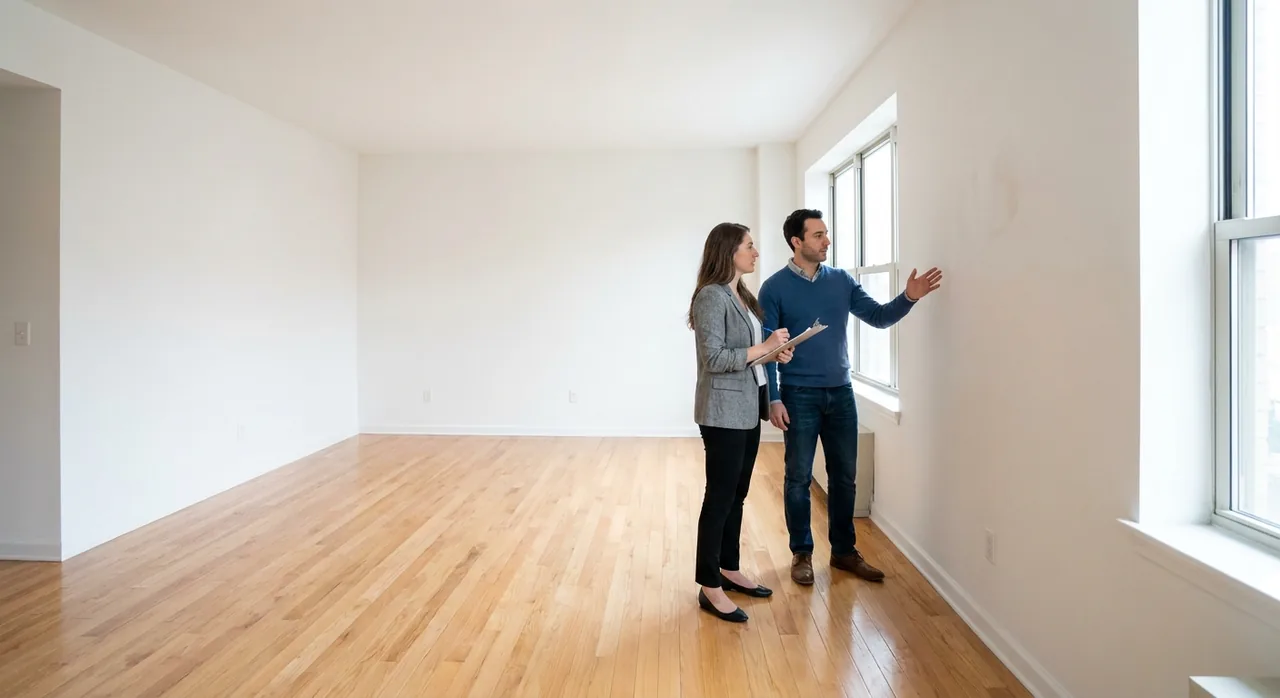
You returned part of a deposit, kept the rest for a few repairs, and now the tenant is pushing back. They say the wall was already like that, the carpet was old, the cleaning charge is too high. A deposit dispute has started, and how you handle the next two weeks decides whether you keep the deduction or hand it all back.
The good news is that a dispute is not a coin flip. It is a question of evidence and timing, and both of those are within your control long before the tenant ever objects.
This is the step-by-step on what to do when a tenant disputes your deductions, and how to put yourself in a position to win.
What a Security Deposit Dispute Actually Is
A dispute is simply the tenant disagreeing with how much of the deposit you kept. It usually arrives as a text, an email, or a demand letter asking for the rest of the money back, sometimes with a threat to sue.
Under most state laws, the tenant is entitled to their full deposit back unless you can justify each deduction. The legal framework that governs this is summarized in the Cornell Legal Information Institute overview of landlord-tenant law, and the recurring theme is the same everywhere: the burden of proof is on you.
That single fact reframes the whole situation. You are not arguing your opinion against the tenant's. You are being asked to prove, item by item, that the charges were real and reasonable.
Start With the Itemized Statement and the Deadline
Most disputes are lost before they begin, on a technicality the landlord never thinks about. Nearly every state gives you a hard deadline to return the deposit and send an itemized statement of deductions, commonly 14 to 30 days after move-out.
Miss that window and many states say you forfeit the right to keep any of it, no matter how legitimate the damage was. The state-by-state deadlines are laid out in Nolo's security deposit resources, and they are not negotiable.
So the first thing to check when a dispute lands is your own paperwork. Did you send a written, itemized statement on time, with each charge broken out? If you did, you are on solid ground. If you did not, the honest move is often to refund rather than fight a clock you already lost.
The mechanics of writing that statement so each line survives a challenge are their own discipline, covered in our guide to itemizing security deposit deductions.
Respond Calmly and in Writing
When the objection comes in, resist the urge to fire back. Tone matters, because anything you write can end up in front of a judge, and a defensive or angry reply makes you look like the unreasonable party.
Respond in writing, keep it factual, and walk through your deductions one at a time. For each charge, restate the item, point to the before-and-after evidence, and name the actual cost. Email is ideal because it timestamps itself and keeps the whole exchange in one place.
- Acknowledge their message and thank them for raising it.
- Go line by line, attaching the dated photos and the receipt or estimate behind each charge.
- Separate what is genuinely arguable from what is not, and be willing to concede a weak line.
- Keep every message: a paper trail of a reasonable landlord is worth as much as the photos.
Conceding a shaky charge is not losing. A landlord who refunds one questionable line and holds firm on three documented ones looks fair, and fairness is persuasive both to the tenant and to a court.
Let the Evidence Do the Talking
A dispute is really a contest of records. The tenant remembers the unit one way, you remember it another, and the only thing that breaks the tie is documentation neither of you can argue with.

The evidence that wins is the before-and-after pair: a dated move-in record of how the unit looked, mirrored by a move-out record of the same spots. A gouge you charged for only counts if you can show the wall was intact when the tenant arrived, which is the entire point of documenting the difference between move-in and move-out.
Each piece of proof should pin down three things: what the item is, when the photo was taken, and what the repair or cleaning actually cost. A photo with no date proves nothing, and a charge with no receipt is just a number you picked.
When your file is complete, the dispute usually deflates on its own. Most tenants who threaten to sue back down once they see a dated, organized record, because they can tell they would lose.
Know the Common Tenant Arguments
Disputes tend to repeat the same handful of objections. Knowing them in advance lets you answer each one with a record instead of a raised voice.
- "That was already there." Answer with the move-in photo showing the surface intact, or concede if you have none.
- "That is just normal wear." This is the most common one, and it is a real legal line, not just an opinion.
- "The carpet was old anyway." They have a point: you can only charge an item's remaining useful life, never a brand-new replacement.
- "You never sent a statement." If true, this one usually wins for them, so check your deadline first.
The wear-versus-damage argument is the one that decides most disputes, and it has a real answer. We break down exactly where that line falls, surface by surface, in our guide to normal wear and tear versus damage.
Federal tenant-rights resources from HUD frame these same objections from the tenant's side, which is useful to read: it tells you exactly how a tenant has been coached to push back.
When It Goes to Small Claims Court
If neither side budges, the tenant's next step is small claims court, where deposit disputes are among the most common cases heard. It is low cost, no lawyers are required, and a judge decides quickly.
Do not panic if you get served. Bring your itemized statement, the dated before-and-after photos, the receipts or estimates, the lease, and your written correspondence, organized so you can hand the judge one item at a time. State self-help guides like the California courts guide to security deposits and the Texas State Law Library's security deposit guide spell out what a judge will expect to see.
Some states add real teeth for the tenant. If a court finds you kept the deposit in bad faith, you can owe two or three times the amount plus their costs, so a weak charge you should have refunded can get expensive fast. General consumer guidance on housing and rental complaints is collected at USA.gov's housing and rental issues page.
The landlord who walks in with a clean, dated file almost always walks out fine. The one who relies on memory and a few blurry phone shots is the one who pays the penalty.
The Best Dispute Is the One You Prevent
Everything above is easier when you never have to scramble for proof. The landlord who documents both ends of the tenancy the same way rarely ends up in a fight, because the record answers the objection before it is made.
A property inspection app is built for exactly this, because it pairs each finding with a dated photo as you walk the unit and lines move-out up against the move-in baseline. When the walkthrough is done you can turn your move-out photos into a condition report that lays out each item with its proof, so you keep dispute-ready move-out records instead of reconstructing them under pressure.
For the bookend walkthroughs themselves, our free move-in and move-out checklist gives you a room-by-room record you can reuse at both ends of the tenancy, which is where most winning evidence is created.
It is worth saying plainly what this report is and is not. It is structured condition documentation you create from your own photos, reviewed and edited by you before it is final. It is not a licensed or professional home inspection or appraisal, and it is not legal advice or a substitute for either.
Send the statement on time, answer calmly and in writing, and let a dated record carry the argument. Do that and a deposit dispute stops being a gamble and becomes a paperwork exercise you are already prepared to win.
Turn your next walkthrough into a clean report
Snap photos at move-in, move-out, or a routine inspection and get a branded condition report you can hand a tenant or keep on file.
✓ Review every finding before you finalize ✓ Web report and PDF ✓ Cancel anytime
Frequently Asked Questions
Check your own paperwork before you respond. Confirm you sent a written, itemized statement of deductions within your state's deadline, commonly 14 to 30 days after move-out. If you missed that deadline, many states say you forfeit the right to keep any of the deposit, so refunding may be the smart move. If you met it, you are on solid ground and can respond line by line with your evidence.
With a dated before-and-after comparison. A move-in record of the unit's original condition, mirrored by a move-out record of the same spots, proves a mark was not there when the tenant arrived. Each charge should also have the actual repair or cleaning cost behind it, backed by a receipt or estimate, not a round number you picked.
A judge hears it quickly, usually without lawyers. Bring your itemized statement, dated before-and-after photos, receipts or estimates, the lease, and your written correspondence, organized item by item. Be aware that some states award the tenant two or three times the deposit if a court finds you kept it in bad faith, so a weak charge you should have refunded can become costly.
No. It is structured condition documentation a landlord or property manager creates from their own photos, and you review and edit every finding before it is final. It is not a licensed or professional home inspection or appraisal, and it is not legal advice. Consult an attorney or your local housing authority for the rules in your area.