Documenting a Property Condition for a New Tenant
The day a new tenant gets the keys is the one moment a unit's condition is undisputed. Here is how to document it so the move-in record protects your deposit, prevents disputes, and starts the tenancy fair.
Posted by
 William H. Mason
Related reading
How to Write a Property Condition Report (With a Free Template)
A clear, dispute-ready property condition report protects your deposit decisions. Here is what to record at move-in and move-out, room by room, and how to keep it.
Move-In vs Move-Out: Documenting the Difference That Wins a Deposit Dispute
A deduction is never about how the unit looks at move-out. It is about how much it changed. Here is how to document both walkthroughs so the difference between them is obvious and holds up.
Property Inspection App vs a Spreadsheet for Landlords
A spreadsheet tracks rooms, but it cannot prove condition. Here is where each one helps, where the spreadsheet quietly fails, and what landlords actually need to document a unit.
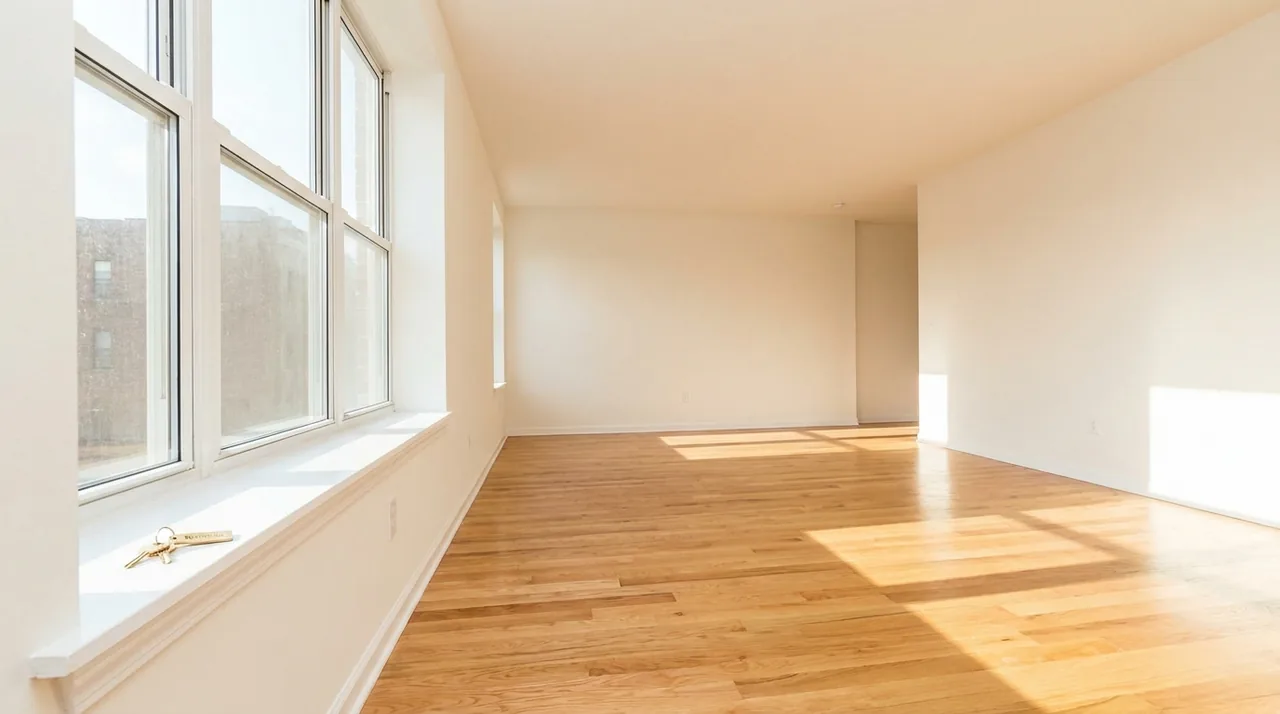
The unit is clean, the keys are ready, and a new tenant is about to walk in. It is an easy moment to rush, because nothing is wrong yet and everyone is eager to get on with the lease.
That is exactly why it matters. The day a new tenant takes possession is the one moment the property's condition is undisputed, and the record you make of it becomes the baseline that every future deposit decision is measured against.
This is how to document a unit's condition for a new tenant: when to do it, what to capture room by room, and how to turn that hour into a record that protects your deposit and starts the tenancy on fair, honest footing.
Why the Move-In Record Is the Baseline
Almost every deposit dispute comes down to a single question: was that mark already there when the tenant moved in? Without a move-in record, you have no honest way to answer it, and the law generally resolves the doubt in the tenant's favor.
Under most state landlord-tenant law, you can only deduct from a deposit for damage beyond normal wear, and the burden of proving it falls on you. The framework is summarized in the Cornell Legal Information Institute overview of landlord-tenant law, and a move-in record is how you meet that burden before the tenant has even unpacked.
A good baseline protects the tenant too. It documents the flaws that were already present, so they are never charged for the scuff on the baseboard or the worn spot in the carpet they inherited. That fairness is what keeps a small disagreement at move-out from turning into a court date.
When to Document the Condition
Do it after the unit is turn-ready and before the tenant moves a single box in. An empty, clean unit photographs honestly, while a half-furnished one hides exactly the surfaces you most need on record.
The strongest practice is to walk the unit with the new tenant present, or to share your record with them within the first few days and invite them to add anything they notice. A baseline both sides agreed to is far harder to argue with later than one only you have seen.
Move-in is also when several legal disclosures come due, depending on your location. If the building predates 1978, federal law requires a lead-based paint disclosure, the rules for which are laid out by the EPA's real estate disclosure guidance. Folding the condition walkthrough into the same handover keeps the paperwork in one place.
What to Capture, Room by Room
Walk the unit in a fixed order, the same one every time, so you never skip a room under the pressure of handover day. In each space, take a wide shot to establish the room, then move in close on anything already worn, marked, or imperfect.
For each surface, capture what it is, a clear photo, and a short note on its current state. The goal is not a perfect unit on film, it is an honest one, because an existing flaw you recorded is a flaw you can never be accused of inventing later.
- Walls, ceilings, and trim: existing scuffs, nail holes, paint condition, any cracks or patches.
- Floors and carpet: wear patterns, stains, scratches, the condition at thresholds and high-traffic paths.
- Doors, windows, and locks: that each opens, latches, and locks, plus the state of screens and blinds.
- Bathrooms: fixtures, grout and caulk, signs of past moisture, and that the ventilation runs.
- Safety devices: smoke and carbon monoxide detectors tested, with fresh batteries noted.
This is the same coverage discipline that makes a move-out walkthrough hold up, so it is worth building the habit now. Our guide to what a tenant move-out inspection should cover maps the same rooms and systems from the other end of the lease.
Do Not Skip the Appliances
Appliances are the most expensive items in the unit and the easiest to forget on move-in day. A scratched refrigerator door or a chipped cooktop that you did not record becomes a charge you cannot prove, or worse, one you get blamed for.
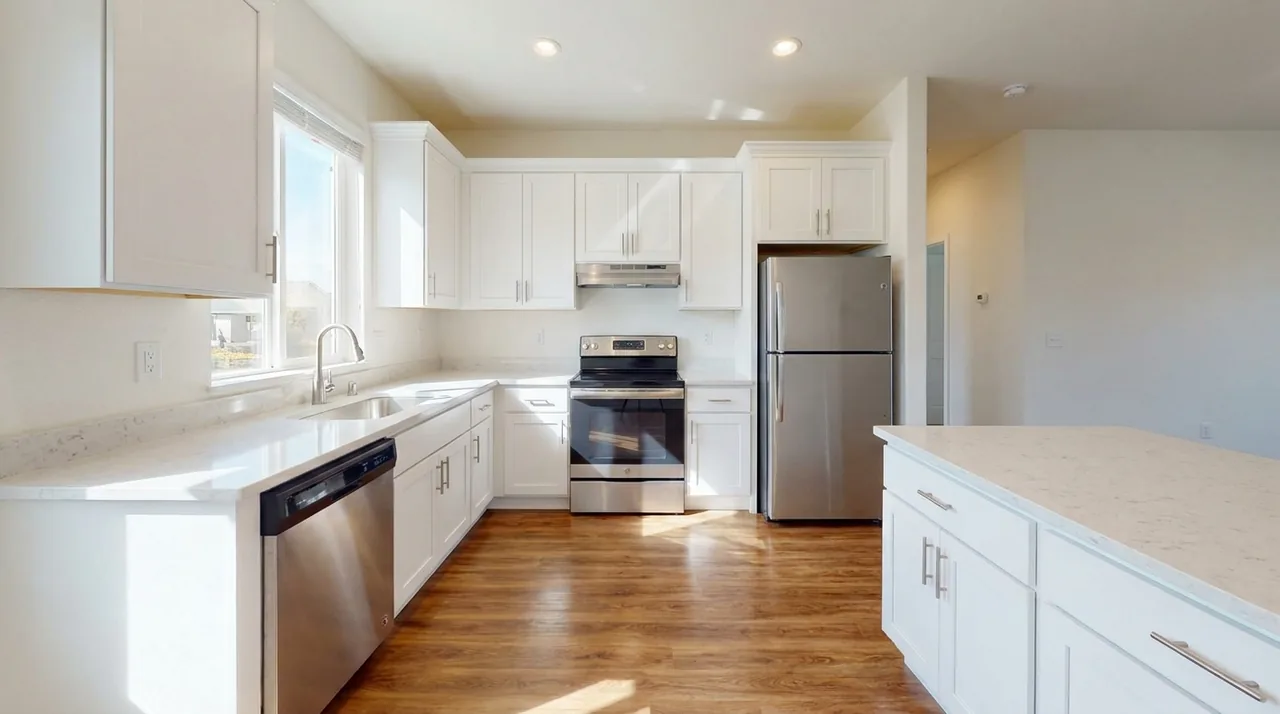
For each major appliance, photograph the unit and its model and serial label, and note any existing dents, scratches, or worn finishes. Those labels are useful well beyond the deposit: they speed up warranty claims, parts orders, and repairs for the entire tenancy.
Test that each one actually works before the tenant relies on it. Run the dishwasher, confirm the oven heats, check that the refrigerator is cold, and note the result, so a failure on day three is clearly a maintenance issue and not a move-in mystery.
Get the Tenant to Acknowledge It
A condition record carries far more weight when the tenant has seen it and agreed it is accurate. Acknowledgement removes the "I never saw that" defense before it can ever be raised.
Share the completed record and ask the tenant to confirm it, in writing, or to flag anything they think you missed. A signed checklist, a reply to a shared link, or a simple email confirmation all work, as long as it is dated and kept.
Federal tenant-rights resources from HUD frame the move-in inspection as a shared step for good reason: a baseline both parties accepted is the cleanest record there is, and the easiest to defend if it is ever questioned.
Make the Record Reusable at Move-Out
A move-in record only pays off if you can line it up against move-out cleanly. That means photographing the same surfaces from the same angles, in the same order, so the two records compare item for item instead of drifting apart.
The deduction you can defend is the one that shows a clear before and after of the same spot. Why that pairing wins disputes is the whole subject of documenting the difference between move-in and move-out.
When you reach move-out, the line you are really drawing is wear versus damage, and a strong baseline is what makes that line provable. We break down where it falls, surface by surface, in our guide to normal wear and tear versus damage.
Turn the Walkthrough Into a Real Report
You can do all of this with a phone and a notepad, and many landlords do. The problem is that the photos end up in one place, the notes in another, and the dates live only in your camera roll, so the record is hard to assemble when you finally need it.
A property inspection app keeps each photo, finding, and date together as you walk the unit, then turns the move-in walkthrough into a clean property condition report you can share with the new tenant for their acknowledgement. It lets you document a unit's condition from the photos you already take, so you keep dispute-ready move-in records instead of a scattered camera roll.
If you would rather start on paper, our free move-in and move-out checklist gives you a room-by-room form you can fill in at handover and reuse at move-out. For the structure of the document itself, our guide on how to write a property condition report walks through each section.
It is worth saying plainly what this report is and is not. It is structured condition documentation you create from your own photos, reviewed and edited by you before it is final. It is not a licensed or professional home inspection or appraisal, and it is not a substitute for either.
Keep the Record Beyond the Deposit
A move-in condition record is not just dispute insurance. It is part of the operating history of the property, useful for budgeting repairs, supporting insurance claims, and substantiating the rental expenses you report at tax time.
The recordkeeping expectations for a rental are outlined in IRS Publication 527, and a dated condition file slots neatly into them. For the deposit rules specifically, a plain-language reference like Nolo's security deposit resources is worth keeping on hand, since the deadlines and limits vary by state.
Spend the hour at move-in, capture the unit honestly, and get the tenant to confirm it. Do that and the hardest part of the next deposit decision is already done, long before anyone is arguing about a wall.
Turn your next walkthrough into a clean report
Snap photos at move-in, move-out, or a routine inspection and get a branded condition report you can hand a tenant or keep on file.
✓ Review every finding before you finalize ✓ Web report and PDF ✓ Cancel anytime
Frequently Asked Questions
After the unit is clean and turn-ready, and before the tenant moves anything in. An empty unit photographs honestly, while a furnished one hides the surfaces you most need on record. The strongest practice is to walk the unit with the tenant present, or to share your record within the first few days and invite them to add anything they notice, so the baseline is one both sides agreed to.
A wide shot of each room plus close-ups of anything already worn or marked, covering walls, ceilings and trim, floors and carpet, doors, windows and locks, bathrooms, and tested smoke and carbon monoxide detectors. Do not skip appliances: photograph each one with its model and serial label and note any existing wear, and confirm it works. Each item should carry a clear photo, a short note on its state, and a date.
It is not always legally required, but it is strongly recommended. A record the tenant has reviewed and confirmed removes the 'I never saw that' defense at move-out. A signed checklist, a reply to a shared link, or a dated email confirmation all work, as long as you keep it on file.
No. It is structured condition documentation a landlord or property manager creates from their own photos, and you review and edit every finding before it is final. It is not a licensed or professional home inspection or appraisal, and it is not a substitute for one. Consult an attorney or your local housing authority for the rules in your area.